
Why We Keep Coming Back - A Message To The Wycombe Wanderers Board From A Fan
04.08.26, 13:30 Updated 04.08.26, 15:14 5 Minute Read

The Quartermen Staff
A Wycombe Wanderers supporter who wishes to remain anonymous shared a heartfelt article with The Quartermen, detailing their constructive feedback for the club's new ownership over the summer.
There are times – most of the time, in fact – when supporting a football club feels like being trapped in the most toxic of relationships.
You know the sort. The one your friends beg you to leave. They point out all the warning signs, remind you how many times you've been let down and ask, with genuine concern, why on earth you keep putting yourself through it. You nod along because, deep down, you know they're right. And yet, somehow, you convince yourself that this time will be different.
So you stay.
The football itself is bad enough. Another dreadful performance. Another last-minute defeat. Another drive home replaying every missed chance and defensive error before inevitably disappearing down a social media rabbit hole.
There are the sarcastic tweets from rival fans that would have had you laughing had they been aimed at somebody else but somehow lose all their humour when you're on the receiving end.
The results hurt. They always do. But as football supporters, we accept that. Results are football. They fluctuate.
One week you're celebrating a stoppage-time winner; the next you're wondering why you bothered leaving the house. That's the deal we all sign up for. It's the other things that hurt.
Before I go any further, I know exactly what some of the responses to this will be. I also know that what matters enormously to one supporter barely registers with another. That's football too. We all invest differently.
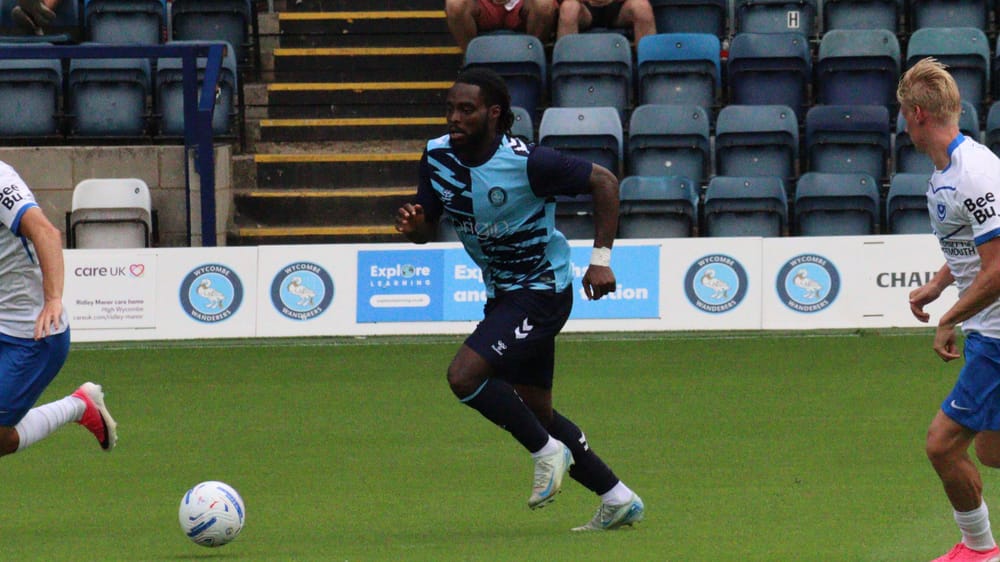
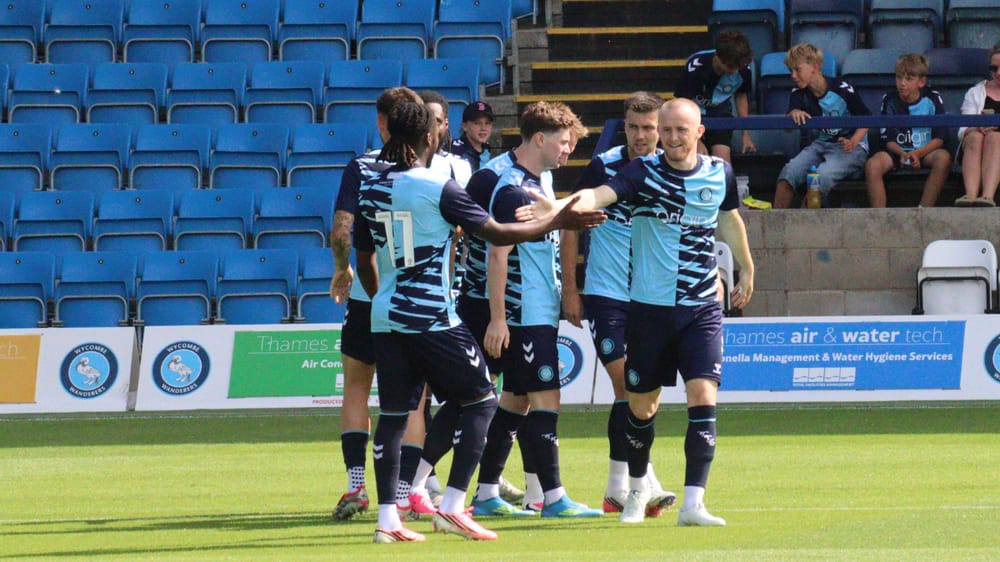
As last season drew to a close, there was understandable surprise when the club announced three brand-new outfield kits after just one season, along with three new goalkeeper kits.
Many supporters believed that went against the spirit – if not the wording – of the club charter, which had always given the impression that shirts would last longer than a single campaign.
The club will quite rightly point to healthy sales. By all accounts, the shirts have sold well. But that misses the point entirely.
The issue was never really about whether people bought them. It was about the process. The charter exists to outline what supporters can expect from their football club. Change is inevitable, and most fans understand that.
What becomes difficult is when changes appear to happen without meaningful consultation.
Of course, nobody is forced to buy a football shirt. That's true. I'll come back to that.
If the shirt announcement left some supporters frustrated, the news that followed before the new season generated even greater feelings.
The revelation that part of the terrace had been deemed structurally unsafe left the club with an incredibly difficult problem to solve. Nobody sensible is pretending otherwise. These situations aren't planned for, and there was never going to be a solution that pleased everyone.
The decision to survey supporters should be applauded. The problem is that, for many, what followed only reinforced the suspicion that the consultation had been little more than a box-ticking exercise.
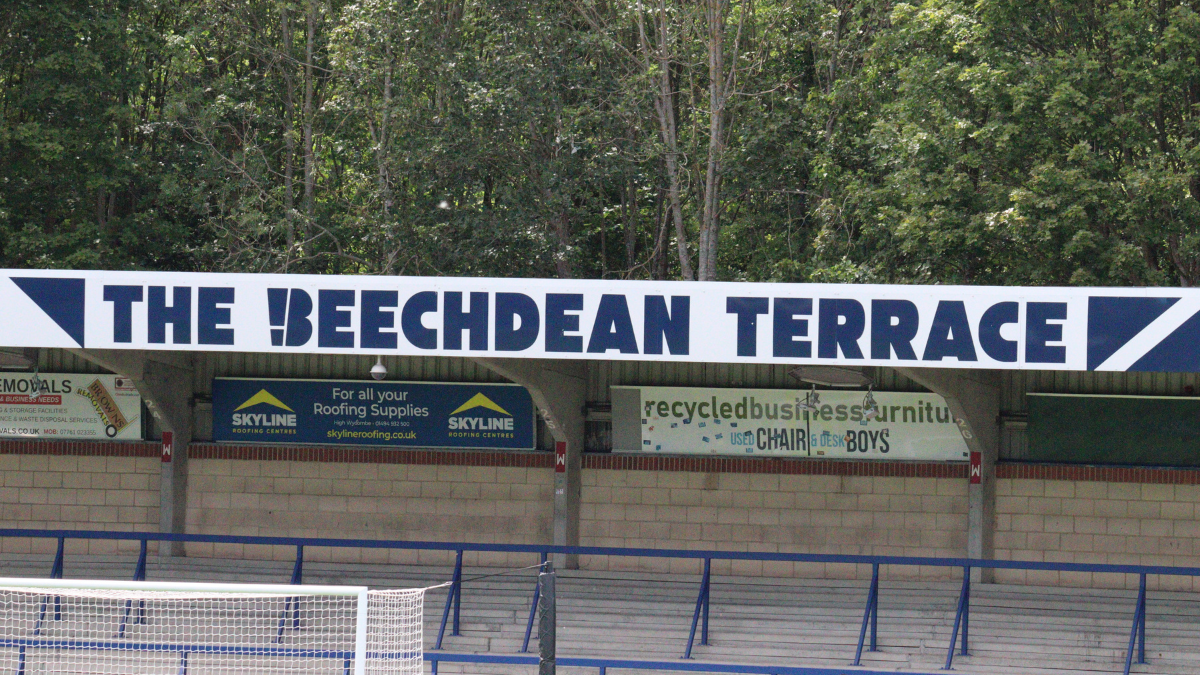

Allowing existing season ticket holders to remain on the terrace isn't necessarily a bad compromise if compromises were being made, but suggesting that a section of the Frank Adams Stand could become a new singing section while simultaneously insisting everybody remains seated and offering little incentive to relocate feels contradictory.
The club insists that supporters matter and that atmosphere is important. They're all the right words. The trouble is that words are easy. It's the actions that people remember.
Right now, the current proposals are rather like telling somebody they're welcome to drive a car before quietly explaining they won't actually be given the keys. And that's where the football relationship starts feeling toxic again.
Because supporting Wycombe over the past decade has been incredible. Promotions. Wembley. Bean with the shot. The Championship. Days that many of us never genuinely believed we'd experience. There is enormous optimism about where the club could go next. None of that is in question.
Compared to many clubs, we've had it easy. League One this season is littered with clubs whose supporters have endured genuine hardship that, thankfully, we've never experienced to the same extent.
Imagine being a Sheffield Wednesday supporter or a Reading fan. Both have watched their clubs become shadows of what they once were. We've never had to endure that, but that doesn't mean we should simply accept decisions that don't feel right.
The fact that others have it worse shouldn't prevent supporters from questioning the direction their own club is taking, especially when those questions come from a place of wanting the club to be the best version of itself.
What is in question is whether supporters genuinely feel listened to. Changing kits every year and rehousing some fans won't be a big issue to everyone.
There will be many who won't buy a shirt, many who don't stand on the terrace or anywhere near the proposed new singing section, so their matchday experience won't change at all, but that really isn't the point.
The point is how easily supporters can be taken for granted and expected to simply turn up regardless of the decisions that are made.
Shirt sales may well have been strong, but that doesn't automatically make the decision the right one.
Equally, nobody disputes that supporters need to be relocated because of the terrace situation, but surely a matter with such an impact deserves genuine consultation, not just a short survey that can so easily be interpreted in whatever way the club wishes.
Because if supporters can be treated so casually over issues that some people might dismiss as relatively minor, what confidence should they have that future decisions – ones that affect everyone – will be handled any differently?
Both of these issues, different though they are, leave the same lingering feeling: decisions are being made, consultation is happening because it has to happen, and those affected are expected to simply accept the outcome.
Perhaps that's why I find myself so frustrated with my own reaction. When the new shirts were announced, I was irritated. It wasn't even really about the design. I could have loved the shirt or hated it; that wasn't the point. It was about principle.
Then the first pre-season friendly arrived. Within five minutes of walking through the Adams Park gates, I'd bought one.
The terrace situation has left me asking bigger questions. If the people I've stood alongside for years are scattered elsewhere, do I still want a season ticket? Would matchdays feel the same? I don't honestly know. And strangely, I feel guilty for even asking myself those questions.
Which, perhaps, is exactly why football clubs can sometimes get away with treating supporters this way, because fan loyalty is unlike any other kind of loyalty.
Customers walk away from businesses every day. If a restaurant disappoints you enough times, you stop booking a table. If your broadband provider lets you down, you switch. If your favourite shop raises its prices, you find somewhere cheaper.
Football doesn't work like that.
Clubs know that, no matter how many frustrations they create, most supporters will still return. We'll grumble all week, swear this is the final straw, question whether it's worth the money or the emotional investment, and then, almost without thinking, we'll find ourselves back through the turnstiles the following Saturday.
Not because we've forgotten. Not because we've forgiven. But because somewhere, buried beneath all the disappointment, is the faint, irrational hope that next time things might be different. And perhaps that's the most toxic part of all.
Related Topics
The Quartermen Staff Writer